Community
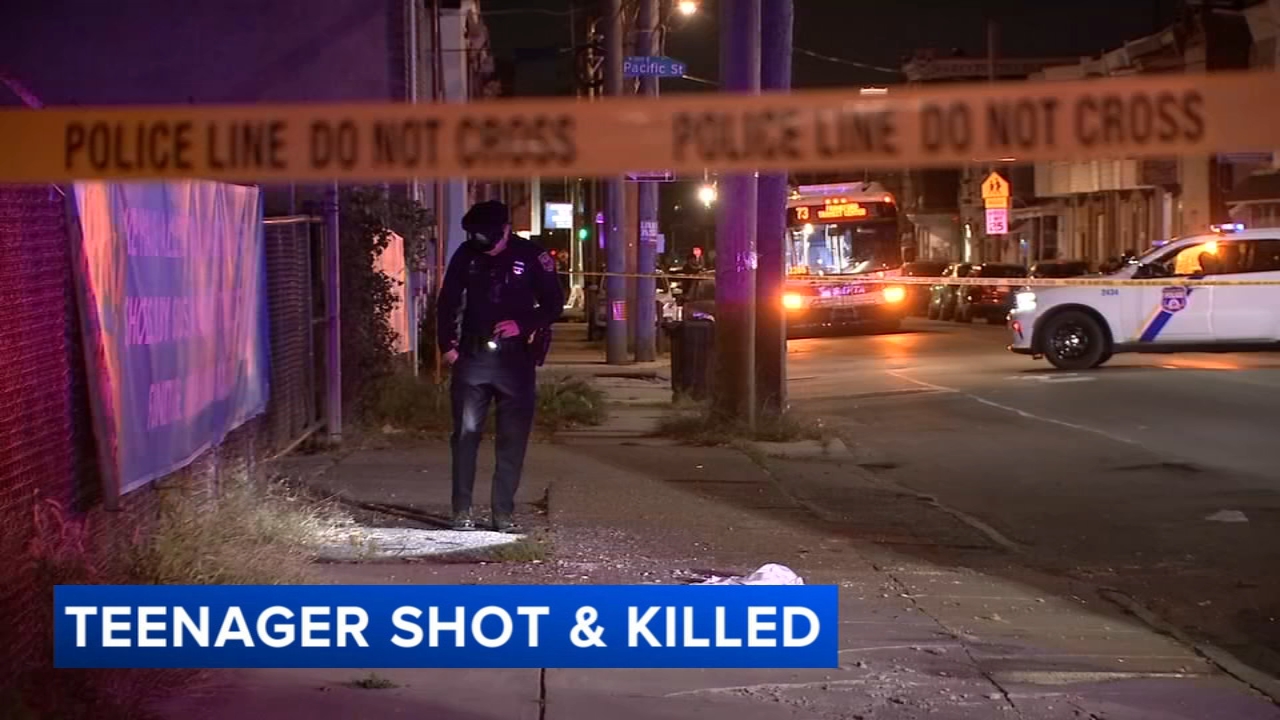
Man in custody after 15-year-old boy fatally shot in Philadelphia's Port Richmond section
By Samantha R. Patel
Advertisement · Why this ad?
Jasmine is a recent graduate of the University of Pennsylvania and has quickly made a name for herself in local journalism covering community events for the King of Prussia Chronicle. With a keen interest in local history and cultural initiatives, she enjoys sharing stories that reflect the town’s rich heritage.
More from Jasmine →
On a quiet street in Houston, a moment of chaos unfolded as an ICE officer, sworn to protect and enforce immigration laws, became embroiled in a confrontation that would lead to serious legal consequences. The officer, whose identity remains undisclosed, is accused of hitting a fleeing man with his vehicle, an incident that has raised questions about the actions of law enforcement and their responsibilities. This Monday, the officer is expected to turn himself in to authorities, as confirmed by his attorney, igniting a dialogue about accountability and the role of ICE in our communities.
In a shocking turn of events, the ICE officer was charged with aggravated assault after the incident that took place in Houston. Reports indicate that the officer's actions were not just a matter of routine enforcement but escalated into a dangerous situation that left a man injured. The specifics surrounding the encounter remain unclear, but the implications of such actions by an officer of the law are significant.
The officer's attorney has stated that he plans to turn himself in on Monday, a move that suggests an acknowledgment of the seriousness of the charges against him. Aggravated assault is a felony that carries severe penalties, including potential prison time, and reflects a broader concern about the conduct of law enforcement officials.
As communities across the nation grapple with issues of police conduct, the ICE officer's case serves as a reminder of the delicate balance between enforcing laws and ensuring the safety and rights of individuals. The incident has sparked discussions about the role of ICE in local communities, particularly in areas where immigration enforcement intersects with public safety.
The news of the officer's charges has not gone unnoticed in Houston or in other communities affected by ICE operations. Local residents have expressed a mix of concern and outrage, questioning the appropriateness of the officer's response during the encounter. Many are calling for a thorough investigation into the incident, emphasizing the need for transparency and accountability in law enforcement.
Community leaders have also weighed in, highlighting the importance of trust between law enforcement and the communities they serve. "This incident raises serious questions about the use of force and the responsibilities of those in positions of authority," one local activist stated. "We need to ensure that our communities feel safe and protected, not threatened by those who are meant to uphold the law."
Moreover, the impact of this incident extends beyond the immediate circumstances. Families and individuals living in fear of deportation often feel vulnerable, and incidents like this can exacerbate those fears. The local immigrant community is particularly sensitive to actions taken by ICE, and many are calling for reforms to ensure that enforcement actions do not compromise public safety. Community members, including parents, students, and local business owners, have begun to gather in small groups to discuss their experiences and fears regarding ICE's presence in their neighborhoods.
As the officer prepares to turn himself in, the community watches closely, hoping for a resolution that reflects justice and accountability. Residents are eager to see how the legal process unfolds and what it may mean for future interactions between law enforcement and the public. Many are voicing their concerns through social media platforms, organizing protests, and attending community meetings to discuss their rights and safety.
As the officer prepares to face the legal system, many are left wondering what the future holds for both him and the community. The charges of aggravated assault signal a serious breach of conduct, and if convicted, the officer could face significant repercussions. This case may serve as a pivotal moment, not only for the officer involved but also for ICE as an organization. Advocates for immigrant rights have stated that this incident could lead to a reevaluation of ICE's role in local law enforcement.
In the coming weeks, the legal proceedings will likely unfold, and the community will be watching closely. The impact of this case could lead to broader discussions about the role of ICE and the need for reforms in how immigration laws are enforced. Advocates are calling for a reevaluation of policies that prioritize aggressive enforcement over community safety, pushing for a model that emphasizes de-escalation and community engagement.
Furthermore, this incident may prompt local leaders to engage in conversations about the relationship between law enforcement and immigrant communities. Building trust and ensuring safety for all residents, regardless of their immigration status, will be essential moving forward. Local officials may be compelled to host forums that allow residents to voice their concerns and suggestions for improving community-police relations.
In light of the recent events, community organizations are stepping up to offer support and resources for those affected by the incident. Local non-profits are hosting meetings to discuss the implications of the case and to provide a platform for residents to voice their concerns. These gatherings aim to foster dialogue and understanding among community members. Organizations like the Houston Immigration Services and the ACLU are expected to play a crucial role in providing legal assistance and advocacy for those impacted.
Additionally, support networks for immigrants are mobilizing to ensure that individuals feel safe and informed about their rights. Legal aid organizations are offering free consultations to help those who may be impacted by ICE actions, emphasizing the importance of knowing one's rights in such situations. This support is vital, as many residents may not fully understand the legal ramifications of encounters with law enforcement.
As the community rallies together, it is a testament to the resilience and strength of those who call Houston home. The incident serves as a reminder that even in moments of crisis, there is an opportunity for growth, understanding, and solidarity. The spirit of activism is alive in Houston, with residents committed to advocating for justice and reform.
As the officer prepares to turn himself in, the community's focus remains on accountability and justice. The outcome of this case has the potential to shape future interactions between law enforcement and residents, particularly in immigrant communities. It is crucial for all parties involved to approach the situation with a commitment to transparency and justice.
Moreover, this incident may catalyze broader discussions about immigration enforcement practices across the country. Advocates are hopeful that this case will lead to meaningful reforms that prioritize the safety and well-being of all residents, regardless of their immigration status. They are calling for policies that emphasize community safety over punitive measures, advocating for a more humane approach to immigration enforcement.
The road ahead may be challenging, but it also presents an opportunity for healing and rebuilding trust within the community. As residents come together to support one another, they demonstrate the power of unity in the face of adversity. The ICE officer's case may be just one incident, but its ramifications could resonate far beyond the streets of Houston, impacting communities nationwide. The community's resilience and willingness to engage in dialogue will be key in shaping a more just and equitable environment for all.
By Samantha R. Patel

By Jasmine T. Winters

By Jasmine T. Winters

By Jasmine T. Winters